How to Calculate Buffer Zones for Pesticides
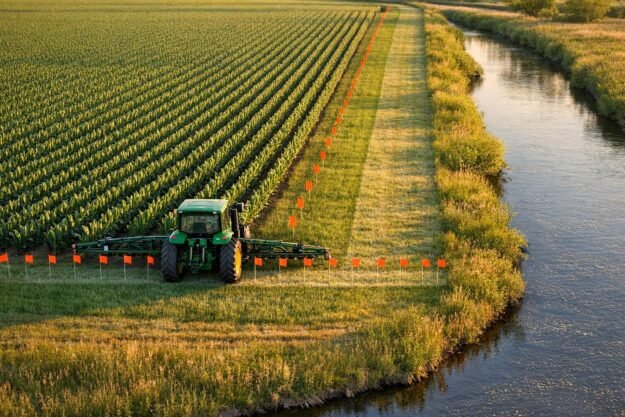
Clear method to calculate compliant pesticide buffer zones, apply reduction credits, and document results for safe applications.
DetailsClear method to calculate compliant pesticide buffer zones, apply reduction credits, and document results for safe applications.
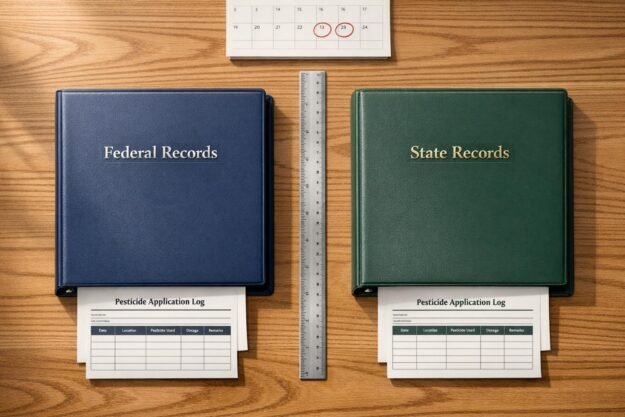
DetailsCompare federal and state pesticide recordkeeping: scope, timelines, retention, and extra data—follow the stricter rules to stay compliant.
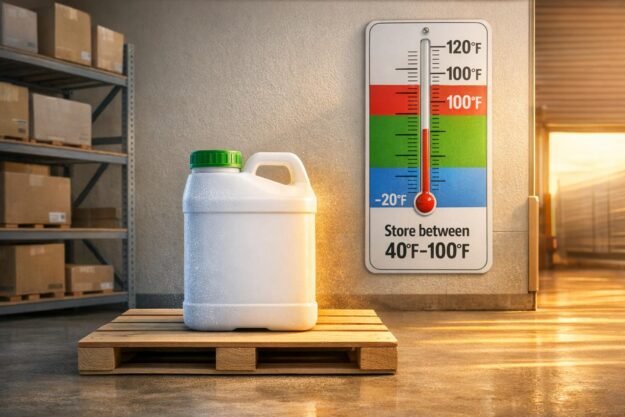
DetailsTemperature swings in transport and storage degrade pesticide formulations, change toxicity, and lower pest control—store and handle between 40°F and 100°F.
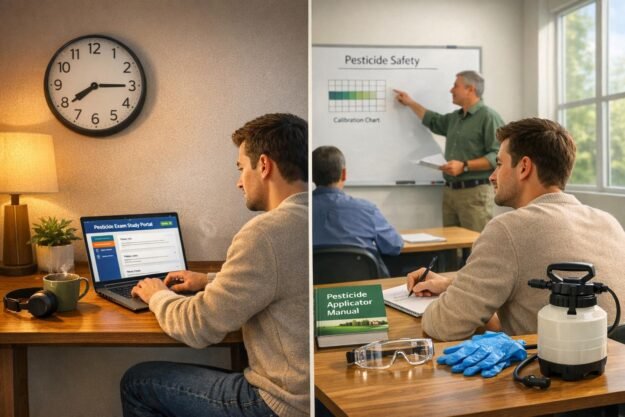
DetailsCompare online and in-person pesticide exam prep—flexibility, cost, hands-on practice, tech requirements, and which format suits different learners.
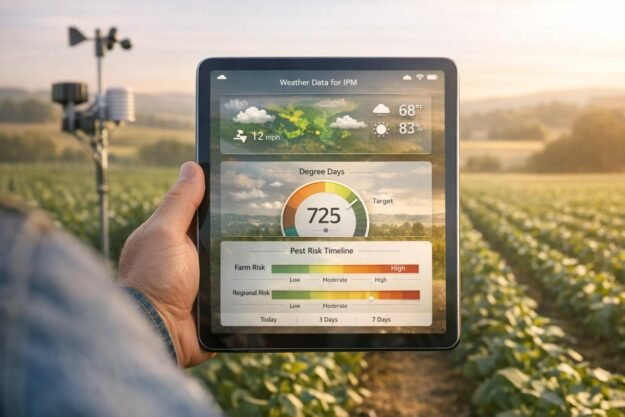
DetailsReal-time weather, GDD, and predictive models sharpen IPM timing, reduce pesticide use, and improve yields with on‑farm and regional forecasts.
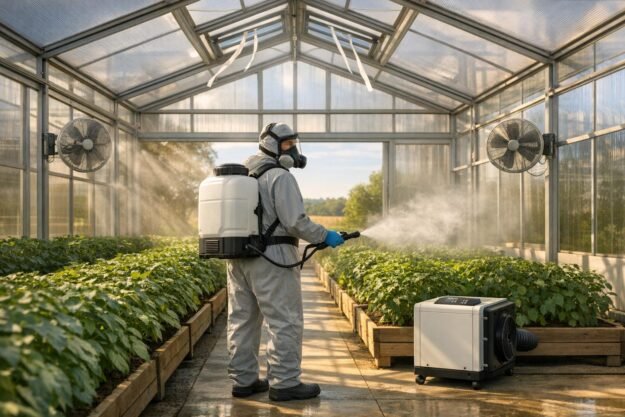
DetailsVentilation, filtration, and safe application can cut airborne pesticide exposure—key risks, causes, and practical tips for indoor and field safety.
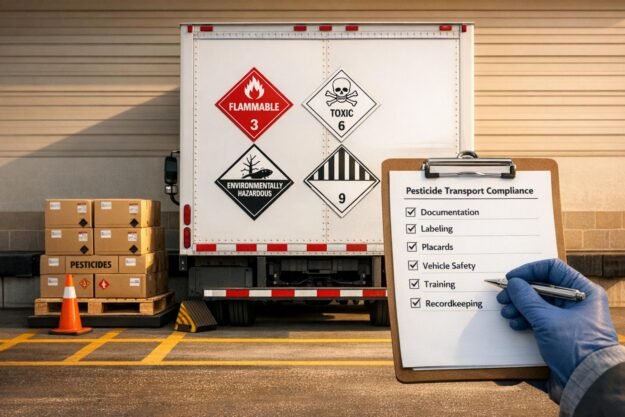
DetailsStep-by-step DOT checklist for safely transporting pesticides: documentation, labeling, placards, vehicle safety, training, and recordkeeping.
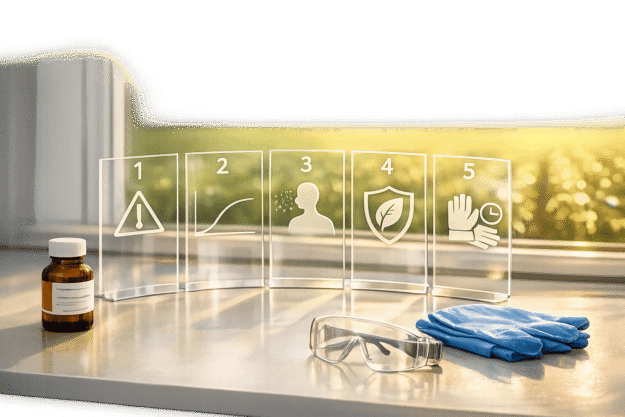
DetailsFive practical steps to assess pesticide toxicity: identify hazards, evaluate dose-response, estimate exposure, characterize risk, and choose PPE and REIs.
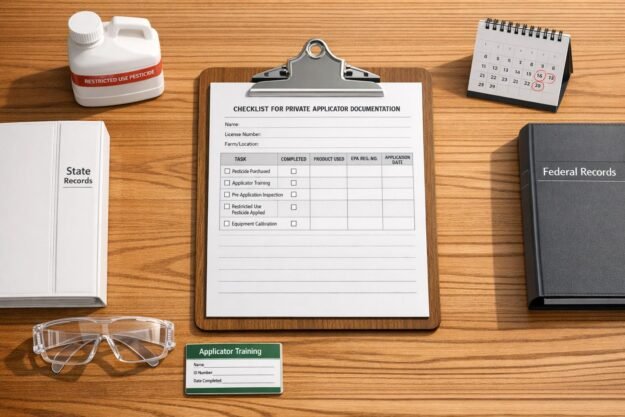
DetailsComplete checklist for documenting restricted-use pesticide applications: required fields, state vs federal deadlines, retention rules, training and safety records.
DetailsMaster formulation types, label interpretation, mixing procedures, and application math to confidently pass the pesticide formulations exam.
Details