How to Identify Weeds by Season
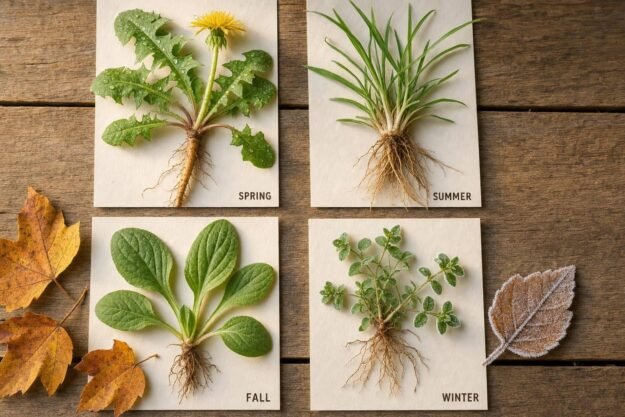
Seasonal timing plus leaf, stem, and root clues lets you ID weeds faster and choose the right control.
DetailsSeasonal timing plus leaf, stem, and root clues lets you ID weeds faster and choose the right control.
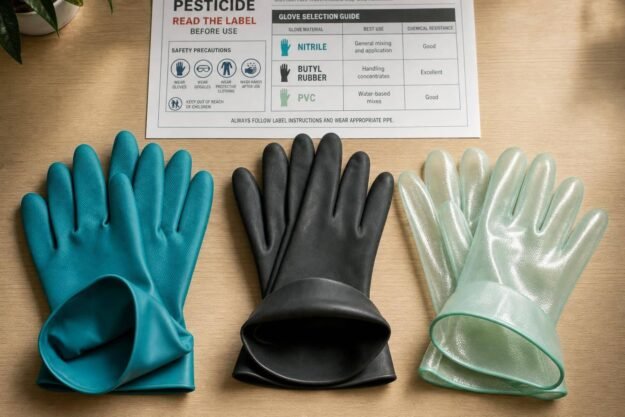
DetailsUse the pesticide label to choose unlined gloves: nitrile for general work, butyl/barrier for concentrates, PVC only for water-based mixes.
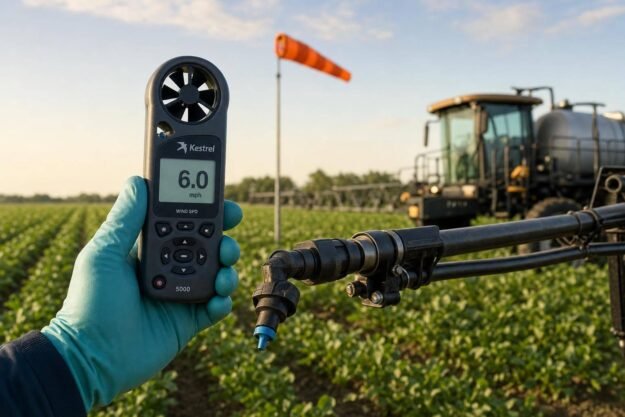
DetailsRead the label; measure wind at nozzle height. Spray usually at 3–10 mph; avoid inversions, gusts, or winds >15 mph. Log readings.
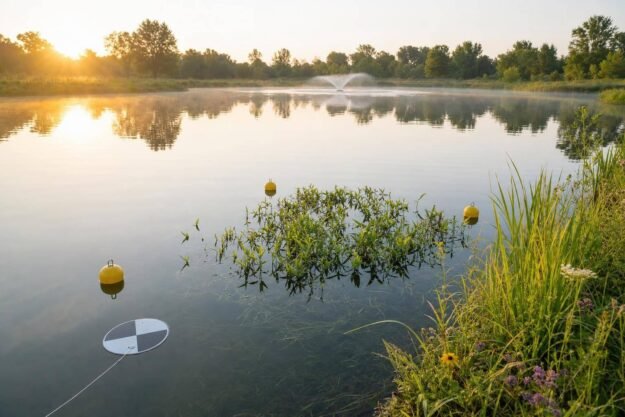
DetailsIPM guide for ponds and lakes: identify weeds, set thresholds, reduce nutrients, combine controls, and monitor results.
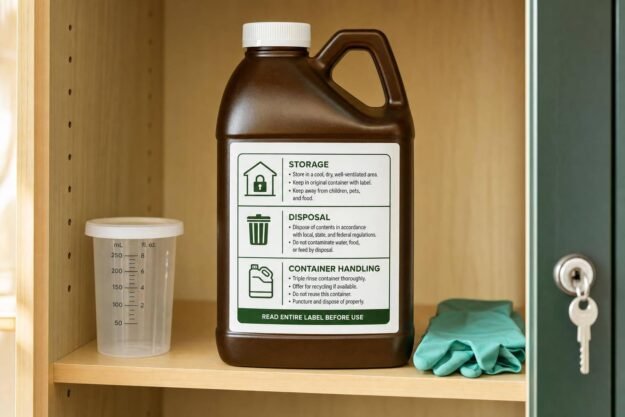
DetailsUnderstand EPA storage, disposal, and container rules on pesticide labels; follow directions to stay legal and avoid hazards.
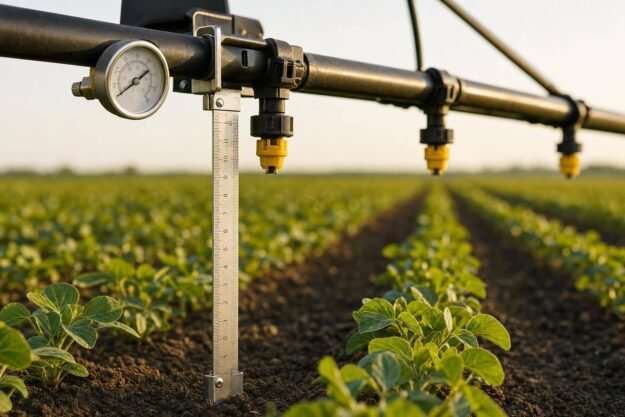
DetailsSmall calibration mistakes compound fast—check speed, pressure, nozzles, math, and boom height to avoid costly over- or under-application.
DetailsLook up pest control terms fast with plain-English definitions, smart search, and easy browsing for common pest management language.
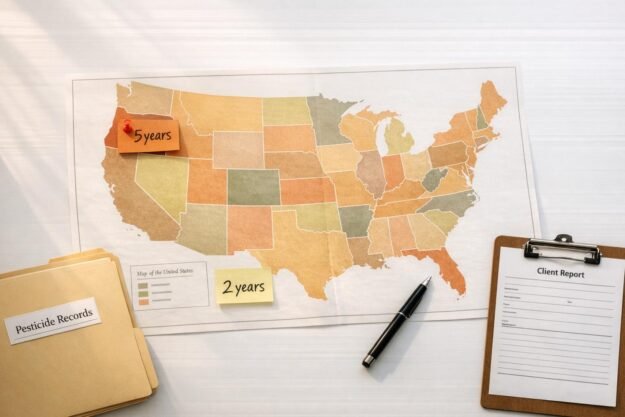
DetailsOverview of federal and state pesticide record retention rules—RUP two-year minimum, Oregon five-year, and client reporting requirements.
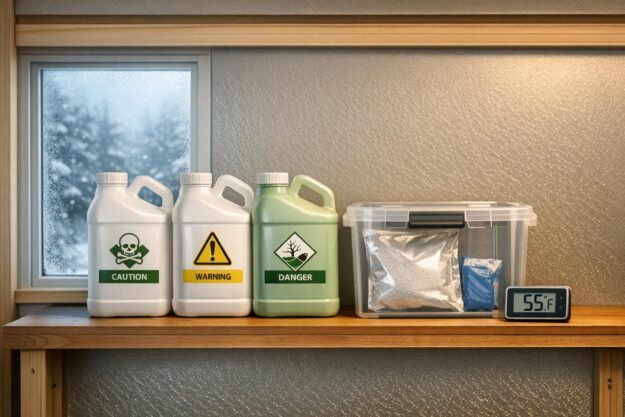
DetailsKeep pesticides effective through winter: store liquids at 40–100°F, protect dry formulations from moisture, then thaw and inspect safely.
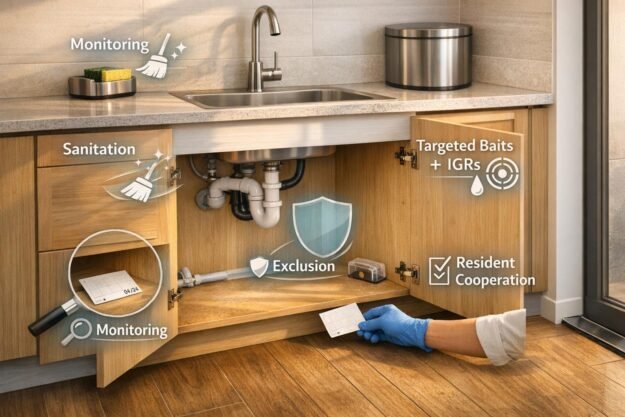
DetailsIPM stops German cockroach infestations by combining monitoring, sanitation, exclusion, targeted baits/IGRs, and resident cooperation.
Details